Friday, December 19, 2025

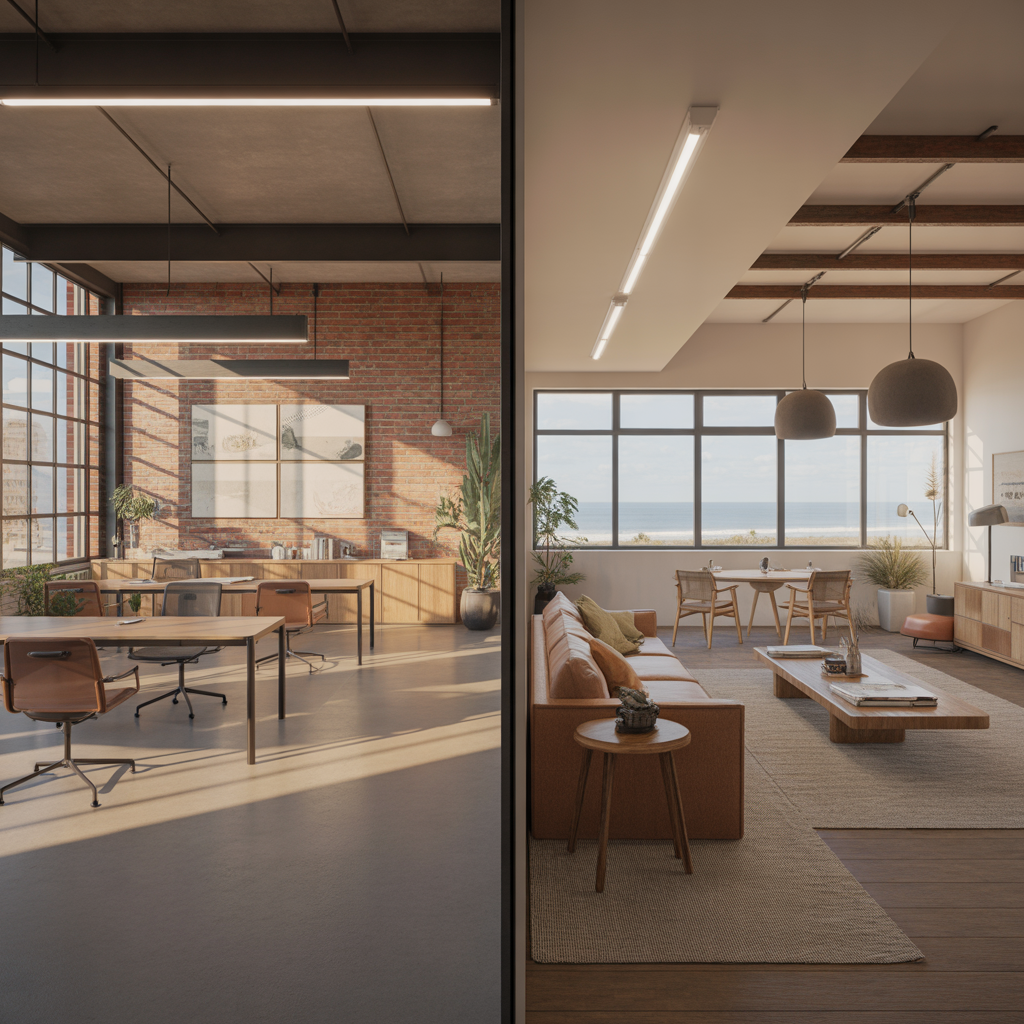
Culver City vs Santa Monica Office Space: Key Differences for Westside Companies

By Nina Steiner, Call/Text 310.487.2982

Compare Culver City vs Santa Monica office space for tech, media, and creative companies. Explore pricing, layouts, zoning, commute, and growth flexibility to choose the right market.

Culver City vs Santa Monica Office Space

How Westside Office Markets Compare Companies Leasing Space

Companies evaluating office space on Los Angeles’ Westside often compare Culver City and Santa Monica. While close in proximity, the two markets differ significantly in cost, flexibility, zoning, and long-term growth potential. Understanding these differences helps companies make smarter leasing decisions aligned with business strategy.

Overview of the Culver City and Santa Monica Office Markets

Culver City and Santa Monica attract similar industries but serve different operational needs. Santa Monica is more lifestyle-driven and supply-constrained, while Culver City emphasizes flexibility and scalability. The right market depends on how a company balances cost, branding, and growth.

Key distinctions include:

  • Market maturity and inventory depth
  • Price sensitivity vs lifestyle positioning
  • Expansion opportunities

Tenant Profiles and Industry Fit

Culver City Office Tenants

Culver City attracts media, production, gaming, and growth-stage technology companies. These tenants value flexible layouts, larger floor plates, and zoning that accommodates creative and hybrid uses. The market supports companies planning to scale over time.

Common Culver City tenants include:

  • Film, television, and post-production companies
  • Gaming and interactive media studios
  • Growth-stage technology firms
  • Creative agencies needing adaptable space

Santa Monica Office Tenants

Santa Monica appeals to established technology companies and brand-forward organizations. Tenants prioritize walkability, amenities, and proximity to the beach for employee experience. The market favors companies with stable headcount and client-facing teams.

Typical Santa Monica tenants include:

  • Venture-backed technology companies
  • SaaS and digital platform firms
  • Consumer brands and design-led companies
  • Professional services with client exposure

Office Rental Rates and Cost Considerations

Santa Monica Office Rental Rates

Santa Monica office rents are among the highest on the Westside due to limited supply and strong demand. Asking rents are often 15–30% higher than comparable Culver City spaces. Tenants pay a premium for location prestige and amenities.

Pricing characteristics include:

  • Higher asking rents per square foot
  • Limited availability of large blocks
  • Strong competition for well-located buildings

Culver City Office Rental Rates

Culver City generally offers lower effective rents and more negotiable lease terms. Tenants often receive newer buildouts and greater usable space at similar budgets. This market appeals to cost-conscious and expanding companies.

Cost advantages include:

  • More favorable rent-to-value ratios
  • Greater lease flexibility
  • Larger floor plates for the price

Building Types and Layout Flexibility

Culver City Office Buildings

Culver City offers adaptive reuse properties, campus-style developments, and standalone office buildings. These buildings typically provide larger floor plates and branding opportunities. Layout flexibility supports creative workflows and future expansion.

Building features often include:

  • Open, flexible floor plans
  • Private entrances or campus settings
  • Easier expansion within the same property

Santa Monica Office Buildings

Santa Monica’s inventory consists primarily of multitenant office buildings. Floor plates tend to be smaller, with limited options for contiguous expansion. This structure suits companies with predictable space needs.

Building characteristics include:

  • Multitenant configurations
  • Smaller average floor plates
  • Fewer expansion options within buildings

Commute, Transportation, and Accessibility

Culver City Accessibility

Culver City benefits from central Westside access and Expo Line connectivity. Commute patterns are often more balanced for employees traveling from different parts of Los Angeles. Parking availability is generally more manageable.

Access advantages include:

  • Central Westside location
  • Expo Line light rail access
  • Easier east-west commuting

Santa Monica Accessibility

Santa Monica offers walkable neighborhoods and bike-friendly infrastructure. However, congestion and coastal geography can increase commute times for non-local employees. Accessibility favors teams already based nearby.

Transportation considerations include:

  • Walkability and bike access
  • Higher congestion levels
  • Longer commutes from inland areas

Zoning and Operational Flexibility

Culver City Zoning

Culver City zoning is generally more flexible for creative, production, and hybrid office uses. Permitting processes tend to accommodate specialized business operations. This benefits companies with non-traditional workflows.

Zoning advantages include:

  • Creative and production-friendly zoning
  • More adaptable permitting
  • Support for hybrid office uses

Santa Monica Zoning

Santa Monica zoning regulations are more restrictive and tightly controlled. Permitting timelines can be longer, especially for specialized uses. Companies should evaluate operational constraints carefully.

Zoning considerations include:

  • Stricter use regulations
  • Longer approval timelines
  • Fewer options for specialized operations

Growth Strategy and Long-Term Planning

Culver City aligns well with companies expecting growth or space expansion. Santa Monica is better suited for firms prioritizing stability, lifestyle, and brand presence. The decision should reflect long-term business goals rather than short-term trends.

Strategic considerations include:

  • Headcount growth expectations
  • Need for expansion flexibility
  • Importance of brand and amenities

Frequently Asked Questions

  1. Is Culver City or Santa Monica better for office space leasing?
    The better market depends on a company’s budget, growth plans, and operational needs.
  2. Is office space cheaper in Culver City than Santa Monica?
    Yes. Culver City generally offers lower effective rents and more flexible lease terms.
  3. Which market is better for growing tech or media companies?
    Culver City typically provides more scalable buildings and zoning flexibility.
  4. Does Santa Monica offer better amenities for employees?
    Santa Monica offers beach access and walkability, while Culver City provides increasing retail and transit access.
  5. Are zoning rules different between the two markets?
    Yes. Culver City zoning supports more creative and hybrid uses than Santa Monica.
  6. How should companies decide between Culver City and Santa Monica?
    Companies should evaluate cost, layout flexibility, commute patterns, and long-term growth strategy.

By Nina Steiner, Call/Text 310.487.2982

The post Culver City vs Santa Monica Office Space: Key Differences for Westside Companies appeared first on TenantRepLA.


Read the full post here:"https://tenantrepla.com/culver-city-vs-santa-monica-office-space-key-differences-for-westside-companies/">https://tenantrepla.com/culver-city-vs-santa-monica-office-space-key-differences-for-westside-companies/

Friday, December 5, 2025

Culver City Office Space Cost at 3525 Eastham Drive: The Complete Guide to Rent, Fees and Move-In Expenses

By Nina Steiner Call/Text 310.487.2982

Leasing office space at 3525 Eastham Drive in Culver City is appealing for teams who want to be near Jefferson Boulevard, Sony, Amazon Studios, Ivy Station, and Culver Steps without sitting in the busiest parts of Hayden Tract or Downtown Culver City. It’s a convenient, practical micro-location with better parking options than most surrounding pockets. But like many office buildings in Culver City, the rent on the flyer only tells part of the story.

When comparing office options, tenants often overlook the expenses that sit outside the quoted rental rate. These additional costs can change the full monthly budget by thousands of dollars, especially once you add parking, operating expenses, utilities, deposits, improvements, and technology setup.

This expanded guide breaks down the true cost of leasing at 3525 Eastham Drive so you can plan accurately, avoid surprises, and negotiate from a position of clarity.

Start With the Base Numbers (Then Add Everything Else)

Buildings around Eastham, Hannum Avenue, and Jefferson Boulevard tend to fall within a predictable range for quoted rent and operating expenses. These numbers form your baseline.

Typical Base Rent
• $3.75 to $5.00 per square foot
• Influenced by suite size, layout, improvements, and demand

Typical Operating Expenses (OPEX/CAM)
• $0.85 to $1.20 per square foot

Typical Annual Increases
• 3 to 4 percent

If you lease 2,200 square feet at $4.25 per square foot, your base rent is $9,350. Once you factor in operating expenses, parking, utilities, and other essentials, your actual monthly number often increases to $11,500 to $12,200 or more.

This is why understanding every cost category matters—your budget depends on it.

Six Hidden Costs Tenants Miss at 3525 Eastham Drive

Below are the categories that tend to catch people by surprise. When added together, these often shift the total cost more than anything in the lease.

Operating Expenses

Operating expenses, also known as OPEX or CAM, cover the essential day-to-day building operations. In this Culver City pocket, these typically include:

• Property taxes
• Insurance
• Security
• Repairs and maintenance
• Landscaping
• Janitorial (included in some buildings, excluded in others)

OPEX Range
• $0.85 to $1.20 per square foot

For 2,200 square feet
• $1,870 to $2,640 per month

This line item alone can swing your all-in budget by several hundred dollars depending on the building.

Parking Costs

Parking is one of the largest variable expenses for tenants at 3525 Eastham Drive. This area has a mix of gated and surface parking, and most tenants need more spaces than they initially estimate.

Typical Monthly Rates
• Reserved parking: $150 to $200 per stall
• Unreserved parking: $120 to $160 per stall

Example for eight unreserved stalls at $165 each
• $1,320 per month

For many teams, parking becomes the biggest surprise expense because it isn’t always listed clearly in marketing materials. Production teams and writers rooms, who often have more drive-in staff, feel this the most.

Utilities and HVAC

Utilities are often separately metered at 3525 Eastham, which means your usage directly affects your costs. Teams who work long days, run extra equipment, or need after-hours HVAC should budget more.

Typical Utility Costs
• Electricity: $0.20 to $0.40 per square foot
• Internet: $250 to $600 per month
• HVAC overtime: $75 to $150 per hour

Most tenants fall into the range of:
$450 to $650 per month

Writers rooms or teams that run late often need HVAC after hours, which can add several hundred dollars per month depending on the schedule.

Security Deposit Requirements

Culver City landlords commonly require one to three months of gross rent depending on the lease length, tenant financials, and improvement requests.

If your all-in monthly cost is around $11,700
• A two-month deposit is $23,400 upfront

This is one of the largest initial cash commitments for tenants signing a new lease.

Tenant Improvements and Move-In Costs

Even when a space is clean and functional, most tenants invest in at least some improvements before moving in. Small upgrades can make a big difference in creating a polished, professional environment that supports daily operations.

Typical Improvement Costs
• Basic cosmetic updates: $10 to $18 per square foot
• Light creative refresh: $25 to $40 per square foot
• Full creative buildout: $45 to $80 per square foot

Example for a 2,200 square foot suite with $20 per square foot in improvements
• $44,000

Depending on the term and your negotiation strategy, landlords may offset this through improvement allowances or free rent.

Technology Setup

Technology setup is one of the most overlooked budgeting items, yet it’s essential for a functional modern office. This includes everything from low-voltage cabling to video conferencing and access control.

Typical Tech Costs
• Low-voltage cabling: $2,000 to $8,000
• Conference room technology: $3,000 to $12,000
• Access control system setup: $300 to $1,200

Teams that need secure entry, hybrid meeting setups, or high-speed connectivity almost always fall into the mid- to upper ranges.

Sample Budget: 2,200 Square Feet at 3525 Eastham Drive

Here’s how these numbers come together.

Monthly Costs
• Base rent: $9,350
• Operating expenses: around $2,200
• Parking (eight stalls): $1,320
• Utilities and internet: $520

Total Estimated Monthly Cost
$13,390

Upfront Costs
• Security deposit (two months): $26,780
• Improvements and furniture: $12,000 to $30,000
• Technology setup: $4,500

Total Estimated Upfront Cost
$43,280 to $61,280

This gives you a realistic picture of what it takes to get fully set up and operational in this building.

Why Tenants Choose 3525 Eastham Drive

Even with multiple cost categories to consider, this location remains a sought-after choice because it offers:

• Easy access to Jefferson, Sepulveda, and the 405
• Proximity to Amazon Studios, Apple + and Culver Steps
• Walkable food and coffee options on Washington Boulevard
• A quiet professional setting compared to Hayden Tract
• Better parking ratios than Downtown Culver City

Companies that want Culver City without the congestion often gravitate toward Eastham because it provides convenience, access, and stability.

Frequently Asked Questions

How long does move-in usually take
• Turnkey suites: two to four weeks
• Light improvements: four to eight weeks
• Creative buildouts: eight to sixteen weeks

Are short-term leases available
• Yes. Many landlords here offer twelve to twenty-four month terms
• Longer terms may unlock improvement dollars or free rent

What is the biggest unexpected cost
• Parking. Teams routinely underestimate how many stalls they need, which adds $1,200 to $2,000 per month for an eight- to twelve-person group.

By Nina Steiner Call/Text 310.487.2982

The post Culver City Office Space Cost at 3525 Eastham Drive: The Complete Guide to Rent, Fees and Move-In Expenses appeared first on TenantRepLA.


Read the full post here:"https://tenantrepla.com/culver-city-office-space-cost-at-3525-eastham-drive-in-culver-city-the-complete-guide-to-rent-fees-and-move-in-expenses/">https://tenantrepla.com/culver-city-office-space-cost-at-3525-eastham-drive-in-culver-city-the-complete-guide-to-rent-fees-and-move-in-expenses/

Saturday, November 29, 2025

California’s New Wave of TV Tax Credits Is Fueling an L.A. Production Comeback

By Nina Steiner 310.487.2982

Inspired by reporting from Deadline and writer Dominic Patten.

The Los Angeles entertainment economy just picked up real momentum, and this time, it’s coming from Sacramento. California’s latest round of TV tax credits has injected hundreds of millions of dollars back into the industry, giving studios a financial reason to bring full seasons home instead of chasing cheaper locations.

While Deadline highlighted several major recipients, the bigger takeaway is clear:
This is one of the strongest signals we’ve seen that production volume in Los Angeles is ready to rebound.

Why These New Credits Matter Right Now

  • Productions have been spread across Toronto, Atlanta, Albuquerque, London, and Vancouver.
  • L.A. has seen lighter pilot seasons and fewer long-term leases.
  • Strong incentives keep shows local by reducing runaway production costs.

The timing couldn’t be better. After years of watching productions hop state lines or head overseas, California’s boosted tax credits finally give studios a meaningful economic anchor. For crews who’ve faced unpredictable work cycles since 2020, this shift brings some long-overdue stability.

A Mix of Returning Favorites and Newcomers Are Taking a Fresh Look at California

  • Shows like The Rookie, 9-1-1, and American Crime Story have long taken advantage of L.A.’s infrastructure.
  • Other series, such as Abbott Elementary, You, and Grey’s Anatomy, continue to explore the benefits of keeping production local.
  • High-budget genre titles like Reacher, Halo, or The Morning Show are the type that gain the most from expanded credit ceilings.

While the recent tax credit news focused on a handful of titles, plenty of other productions are now reconsidering California for future seasons. Any show with a large ensemble, recurring stunt work, or big build requirements stands to benefit. The bigger the credit pool, the more likely these productions stay where their talent, and their crews, already live.

More Credits Translate Directly Into More Jobs

  • Below-the-line workers see the biggest lift with every season that films in L.A.
  • Production offices, art departments, and post teams ramp up quickly when shows commit to full episodes here.
  • Local rental houses, vendors, catering teams, and small businesses all see the spillover.

This surge isn’t just about star-driven prestige series. It’s about the thousands of L.A. professionals who make these shows possible. When an entire season films in Los Angeles, the economic ripple is massive, and that steady work matters for families, unions, and the long-term health of the creative workforce.

Production Office and Stage Demand Strengthen with Each New Season

  • Shows typically lease office and stage space for 6–18 months.
  • Writers’ rooms often lock in space well before official greenlights.
  • Storage, flex space, design hubs, and warehouse builds return to the Westside and the Valley as budgets open up.

When a show chooses L.A., its presence expands far beyond the stage. A full season means multiple layers of real estate activity, from Santa Monica production offices to Marina del Rey flex suites to industrial space for builds and props. The more competitive California becomes, the more predictable this leasing cycle becomes for everyone.

California’s Expanded Program Sets Up Long-Term Stability

  • The budget increase to $750 million annually is a major strategic shift.
  • Higher base credit percentages finally make California competitive with other states.
  • New categories beginning in 2026 will include animation, large-scale competition shows, and hybrid projects.

This isn’t a band-aid, it’s a structural overhaul. With more funding and broader eligibility, California is positioning itself as a long-term home for episodic production again. After several years of uncertainty, the industry finally gets something it has been missing predictability.

What This Means for L.A. Heading Into 2026–2028

  • More shows in town means fewer crews forced to chase work in other states.
  • More filming days generate stronger revenue for hotels, restaurants, vendors, and independent contractors.
  • More stable production pipelines support the long-term growth of writers, producers, and department heads.

Los Angeles has always had talent, stages, and infrastructure, what it needed was a financial incentive strong enough to compete. Now it has it. And the domino effect for the local economy is already starting to show.

The Bigger Picture: A Win for Everyone in the Entertainment Ecosystem

  • Incentives help maintain studio facilities, equipment houses, and the skilled labor force.
  • Productions can budget more confidently and plan multi-season arcs without relocation.
  • L.A. retains its competitive advantage by keeping creativity, innovation, and jobs local.

Film and television are core economic drivers for California. These tax credits reinforce what makes Los Angeles irreplaceable: unmatched crews, decades of experience, and a city built to support storytelling at every level. When production stays local, the entire region benefits.

California’s expanded TV tax credit program sends a clear message:

Production belongs in Los Angeles, and the state is ready to fight for it.

For crews, creators, vendors, and every business tied to entertainment, this momentum is exactly what the city needed. And from where I sit, working with teams every day to secure office and flex space across the Westside, it feels like the beginning of a true production resurgence.

If your team is exploring short-term or long-term space in L.A., happy to share options anytime.

By Nina Steiner 310.487.2982


The post California’s New Wave of TV Tax Credits Is Fueling an L.A. Production Comeback appeared first on TenantRepLA.


Read the full post here:"https://tenantrepla.com/californias-new-wave-of-tv-tax-credits-is-fueling-an-l-a-production-comeback/">https://tenantrepla.com/californias-new-wave-of-tv-tax-credits-is-fueling-an-l-a-production-comeback/

Friday, November 14, 2025

Los Angeles Paralympics 2028 Guide: Adaptive Sports, Local Programs, and How to Find Accessible Space for Teams & Organizations

By Nina Steiner Call / Text 310.487.2982 or  Email Nina

Los Angeles is on track to become the global hub for adaptive sports, and the momentum is building fast. With the 2028 Paralympic Games approaching, L.A. is expanding training programs, investing in accessibility, and attracting athletes, nonprofits, and organizations looking to establish a strong presence before the Games. Part of that growth includes securing the right accessible space, from offices to training facilities. and that’s where I help teams and organizations prepare successfully for the road to 2028.

How Los Angeles Is Building a Paralympic-Ready City

Across the region, from Santa Monica to Downtown to the South Bay, organizations are gearing up for increased participation, media attention, and operational needs. L.A. isn’t waiting for 2028; it’s actively shaping a long-term ecosystem where adaptive athletes, coaches, and support teams can train, work, and grow.

And for many of these groups, one of the first questions is:
“Where do we operate from?”
That includes accessible offices, community-facing headquarters, training spaces, and short-term production or event space.

Here’s what’s driving Los Angeles forward:

Key Advancements Fueling L.A.’s Paralympic Momentum

  • Expanding Accessible Facilities
    With over 22 adaptive-friendly facilities, including the Toyota Sports Performance Center in El Segundo and multiple LA84 Foundation sites, L.A. offers a wide range of spaces where athletes can safely train. Many groups also need office space nearby to coordinate programs, staff, and logistics.
  • Strengthening Youth Development Pipelines
    Programs like Angel City Sports, which impacts more than 1,000 young athletes annually, rely on functional operational space to grow. I help organizations find offices near parks, universities, and recreation centers to streamline programming and events.
  • Growing Adaptive Sports Technology Sector
    Innovation hubs in Santa Monica, Torrance, and Pasadena are producing world-class prosthetics and training tools. These companies often need light industrial, R&D, or hybrid workspaces, and I assist in locating accessible buildings that match technical requirements.
  • Local Competitions Increasing Demand for Space
    The Angel City Games at UCLA, drawing athletes from 40+ states, require staging areas, storage, and temporary operations hubs. I help groups secure short-term and long-term space to support events of this scale.
  • Major Accessibility Investments
    L.A. has upgraded 150+ miles of sidewalks and enhanced public facilities citywide. Organizations preparing for 2028 need spaces that meet ADA standards, and I help evaluate each property’s accessibility, from parking and restrooms to elevators and path of travel.
  • High Concentration of Elite Athletes
    With growing athlete communities training at UCLA, USC, CSULB, Loyola Marymount, and Westside facilities, many teams need space near these hubs. I guide them toward options that minimize commute times and support daily training schedules.

Why the Los Angeles Paralympics Will Be a Turning Point

The 2028 Paralympics has already begun reshaping expectations, not only for athletes, but for the organizations, brands, and content teams supporting them. And as the momentum builds, the need for dedicated space grows with it.

 L.A.’s Media Power Creates Unmatched Visibility

As the entertainment capital of the world, Los Angeles provides unparalleled opportunities for athlete storytelling, sponsorships, and adaptive-sports coverage. Production companies supporting Paralympic content often require temporary production offices, editing suites, or creative workspace, and I help secure those in key locations like Culver City, Santa Monica, and Hollywood.

A Year-Round Training Environment

With 300+ sunny days per year, L.A. enables continuous outdoor and indoor training. From adaptive surfing in Malibu to track sessions at UCLA, training organizations often need nearby office or warehouse space for equipment storage, recovery rooms, or staff—another area where I serve as a resource.

Commitment to Inclusion and Growth

L.A.’s diversity fuels a strong culture of inclusion. Nonprofits, coaches, and youth programs rely on accessible work and training environments. Many of them reach out for help finding space that meets budget, location, and accessibility standards, and I help them navigate that process efficiently.

Adaptive Sports Gaining Momentum Throughout L.A.

Los Angeles offers one of the widest ranges of adaptive sports programs in the U.S., supported by facilities and communities across the region.

Adaptive Sports Growing in Popularity Across Los Angeles

  • Wheelchair basketball in Van Nuys and the Valley
  • Adaptive surfing in Malibu, Venice, and Manhattan Beach
  • Paralympic track & field training at UCLA
  • Adaptive rowing at Marina del Rey
  • Wheelchair tennis in Carson and Westchester
  • Sled hockey in El Segundo

As these programs expand, the support teams behind them increasingly require space for operations, whether it’s 3,000 SF of office space or 20,000 SF of warehouse-style training buildouts. I help bridge that gap.

How I Support Paralympic Teams, Nonprofits, and Sports Organizations With Space

As Los Angeles prepares for 2028, many organizations are asking the same question:

“Where can we find accessible, centrally located space that works for our athletes and staff?”

Here’s how I help:

  • Finding accessible office, training, and operational space in West L.A., Santa Monica, Culver City, Marina del Rey, and surrounding areas
  • Evaluating ADA compliance across restrooms, elevators, parking, entrances, and internal layout
  • Locating warehouses or hybrid spaces for equipment storage, training build-outs, or media production
  • Sourcing flexible short-term or long-term leases for teams preparing for major events
  • Touring multiple properties quickly, even with specialized requirements
  • Helping nonprofits secure affordable solutions without sacrificing functionality

Los Angeles has the resources—my role is to help adaptive sports organizations find the physical space that brings their mission to life.

Frequently Asked Questions

How can organizations find accessible space in Los Angeles for Paralympic-related work?

Work with a broker who understands adaptive sports, accessibility needs, and the Westside market. I help teams evaluate ADA compliance, identify suitable buildings, and secure the right mix of office, training, and storage space near key universities and athletic hubs.

What neighborhoods are best for Paralympic teams or adaptive sports programs?

Top areas include Culver City, Westwood, Santa Monica, Playa Vista, Marina del Rey, Carson, and South Bay. These locations offer proximity to universities, gyms, training centers, and major venues, all essential for teams preparing for 2028.

How early should organizations secure space ahead of the 2028 Games?

Most groups should begin the search 12–24 months in advance, especially if they need specialized buildouts or large, accessible facilities. Space demand will rise significantly as 2028 approaches, and early planning ensures better options and pricing.

By Nina Steiner Call / Text 310.487.2982 or  Email Nina


The post Los Angeles Paralympics 2028 Guide: Adaptive Sports, Local Programs, and How to Find Accessible Space for Teams & Organizations appeared first on TenantRepLA.


Read the full post here:"https://tenantrepla.com/los-angeles-paralympics-2028-guide-adaptive-sports-local-programs-and-how-to-find-accessible-space-for-teams-organizations/">https://tenantrepla.com/los-angeles-paralympics-2028-guide-adaptive-sports-local-programs-and-how-to-find-accessible-space-for-teams-organizations/

Sunday, November 2, 2025

Is New Jersey Becoming the New Hollywood

Nina Steiner TenantRepLA 310-487-2982

“The motion picture industry was born in New Jersey; Fort Lee was Hollywood before there even was a Hollywood.”

Phil Murphy, Governor of New Jersey

The film industry is shifting, and this time, the spotlight’s not on Los Angeles or Atlanta. It’s New Jersey that’s catching the camera’s eye. With tax incentives, new studios, and major players like Paramount and Netflix moving in, the Garden State is quickly becoming one of the fastest-growing production hubs in America.

This isn’t just a trend, it’s a transformation. Let’s break down why Hollywood is going East.

A Short Story of How It Started

Not long ago, New Jersey’s film history was a forgotten footnote. Ironically, it’s where motion pictures were born, Thomas Edison built the world’s first film studio in West Orange back in the 1890s. But for decades, production left for California’s sunshine and sound stages.

Fast-forward to today: studios are circling back. After years of losing projects to other states, New Jersey rebooted its film incentive program in 2018. The results? Record production numbers, new studio construction, and billions in economic activity.

Why Studios Are Choosing New Jersey

Tax incentives alone don’t create a film movement, but they definitely roll out the red carpet. The state’s Film and Digital Media Tax Credit Program offers up to 40% back on qualified production expenses, one of the most competitive in the country. Add diverse locations and proximity to New York City, and you get a winning production formula.

 Key factors attracting studios:

  • Massive tax credits: Up to 40% in film and digital media tax breaks, plus bonuses for hiring local workers.
  • Record-breaking production spending: $833 million in 2024 across 500+ productions.
  • Diverse landscapes: Urban skylines, small towns, beaches, and forests — all within two hours.
  • Strategic proximity: Minutes from Manhattan’s talent and post-production resources.
  • Workforce investment: Training programs prepare local crews for steady employment.

Big Names Are Moving In

It’s not just indie filmmakers setting up shop, major studios are planting permanent roots.

In 2024, Paramount signed a 10-year lease at 1888 Studios in Bayonne, a 1.6-million-square-foot complex designed to rival Hollywood’s best. Meanwhile, Netflix broke ground on a 500,000-square-foot campus at Fort Monmouth, and Lionsgate partnered with Great Point Studios to build a 253,000-square-foot facility in Newark. 

Recent studio deals fueling the boom:

  • Paramount + 1888 Studios (Bayonne) – 10-year lease, 285,000+ SF, 58-acre campus.
  • Netflix (Fort Monmouth) – 500,000 SF film campus under construction.
  • Lionsgate (Newark) – 253,000 SF production facility with long-term commitment.
  • Studio Partner Program (NJEDA) – Up to 40% tax credit for studios leasing 250,000+ SF for 10 years.

These deals aren’t just headlines, they represent long-term investment, job creation, and industry infrastructure that’s reshaping the state’s economy.

What’s Driving the East Coast Film Boom

Behind every studio expansion is a strong economic story. New Jersey’s strategy isn’t just about attracting films—it’s about building a permanent creative economy. Dozens of “Film-Ready Communities” have streamlined permits and embraced production as a driver for local growth.

Here’s what’s fueling the momentum:

  • Lower costs: Filming can be up to 25% cheaper than in New York City.
  • Simplified permitting: Designated communities fast-track production approval.
  • Infrastructure growth: New soundstages and post-production facilities open annually.
  • Skilled labor pool: Local universities and trade programs train new film professionals.

Hollywood East: The New Reality

Streaming platforms have changed the game, more shows, shorter production cycles, and demand for year-round facilities.

Studios can’t rely solely on Los Angeles anymore. They need regional hubs that balance cost, quality, and access to talent.

New Jersey checks every box.

Producers can shoot in urban backdrops, small towns, and scenic coasts without ever leaving the state. It’s efficient, affordable, and just across the river from New York City.

For a state that launched the first motion picture studio over a century ago, it’s a historic comeback story.

The Ripple Effect on Real Estate and Business

Every new studio campus triggers a wave of commercial demand.

 Here’s what follows studio development:

  • Office space: Needed for production companies, writers, and post teams.
  • Industrial space: For set construction, costume storage, and logistics.
  • Retail & hospitality: Restaurants, hotels, and cafes benefit from crews and talent.

In short: where studios go, entire communities thrive. Developers and brokers are now looking at secondary markets near Bayonne, Newark, and Fort Monmouth to meet the growing need for support space.

Lessons for Real Estate and Economic Growth

New Jersey’s film resurgence offers lessons for any region aiming to attract creative industries:

  • Incentives drive commitment. Tax credits tied to square footage and lease term attract serious tenants.
  • Long-term leases stabilize markets. Studios often sign for 10+ years, ensuring steady occupancy.
  • Public-private collaboration matters. Developers and policymakers aligned their goals early.
  • Spillover effects are real. Film production drives retail, housing, and service growth nearby.

This is economic development through storytelling. and New Jersey’s script is working.

What’s Next

More studios are on the way. Towns like Newark and Bayonne are already expanding infrastructure to accommodate future film, streaming, and advertising production. Suburban areas are being scouted for auxiliary facilities, from warehouses to creative offices.

It’s no longer a question of if New Jersey becomes “Hollywood East.” It’s how big the industry will grow , and how quickly surrounding communities can adapt to the opportunity.

Final Takeaway

New Jersey’s rise as a film powerhouse proves that Hollywood isn’t defined by geography, it’s defined by innovation. The Garden State’s success shows what happens when creativity meets smart policy and long-term investment.

For real estate professionals, developers, and business leaders, this new wave of film production is more than entertainment—it’s a case study in how industries evolve, relocate, and thrive.

Because sometimes, the next big scene doesn’t roll in Hollywood. It starts right here in New Jersey.

If you are looking for space in New Jersey for your film business, contact me.

Nina Steiner TenantRepLA 310-487-2982

I have broker partners nationwide.


The post Is New Jersey Becoming the New Hollywood appeared first on TenantRepLA.


Read the full post here:"https://tenantrepla.com/is-new-jersey-becoming-the-new-hollywood/">https://tenantrepla.com/is-new-jersey-becoming-the-new-hollywood/

Friday, October 31, 2025

How to Secure Short-Term Office Space in Los Angeles for the 2028 Olympics

When the Olympics come to Los Angeles in 2028, millions of people, and thousands of businesses will arrive to be part of the action. From global brands and broadcasters to sports agencies and production teams, many will need a local base of operations. Finding short-term office space in L.A. may sound simple, but demand is already starting to heat up in the city’s most desirable areas.

Whether you need a private suite for your team or a flexible, ready-to-use office for a few months, planning early will save you time, stress, and money.

Here’s how companies can prepare to secure short-term workspace for the world’s biggest event.

Why the Olympics Will Drive Demand for Short-Term Offices

Every Olympic Games transforms its host city, and Los Angeles will be no exception. With events spread across the Westside, Downtown, and the Valley, temporary office demand will spike in multiple submarkets. International organizations, sponsors, and service providers will all compete for space near key venues.

 Key drivers of demand include:

  • Broadcasting and media hubs: Global networks and streaming platforms will need editing and production offices close to the action.
  • Event logistics and hospitality firms: Many will set up temporary headquarters to manage on-the-ground operations.
  • Corporate partners and sponsors: Expect short-term leases from brands seeking proximity to venues and clients.
  • Creative agencies and marketing teams: Campaigns will be managed locally with teams rotating through the city.

The Best Los Angeles Areas for Temporary Offices

L.A. is a big city, and proximity to Olympic venues will matter. Choosing the right submarket depends on your type of work, your team’s size, and your need for access to transportation, hotels, or production facilities.

 Top areas for short-term workspace:

  • Santa Monica: Coastal, walkable, and close to beach volleyball and other events. High demand for media, PR, and tech companies.
  • Culver City: Central access to both the Westside and Downtown with modern offices and creative flex space.
  • Downtown L.A.: Perfect for logistics, sponsors, and corporate partners seeking a recognizable address and transit access.
  • El Segundo and Playa Vista: Excellent for production companies and sports media teams needing proximity to LAX and studio campuses.
  • Burbank: Ideal for broadcasters and entertainment firms operating near studios.

What Counts as a “Short-Term” Office Lease?

Traditional office leases can run three to five years , but short-term office solutions are far more flexible. For companies involved in the 2028 Games, a three-month to one-year term is typical. These spaces can be fully furnished, serviced, and ready to occupy within days.

 Short-term options include:

  • Flexible managed offices: Move-in ready private offices with all-inclusive pricing and short contracts.
  • Subleases: Companies exiting early often sublet furnished suites for six to twelve months.
  • Coworking or executive suites: Ideal for individuals or small teams needing instant access.
  • Custom temporary spaces: For larger groups, landlords may offer build-outs on flexible terms.

How to Budget for Short-Term Office Space

Short-term doesn’t always mean cheap, especially during an event as large as the Olympics. Rents may rise temporarily in high-demand areas, but knowing what to expect helps you plan strategically. Most flexible offices include furnishings, utilities, Wi-Fi, and maintenance, making total costs predictable.

Typical short-term pricing ranges in West L.A. (2025 estimates):

  • 1–2 person private office: $1,200–$1,800/month
  • Team office for 5–10 people: $3,000–$6,000/month
  • Larger furnished suite (20+ people): $8,000–$15,000/month
  • Coworking desk or shared space: $300–$500/month

 Additional costs to consider:

  • Parking (typically $150–$300 per stall/month)
  • Temporary signage or branding
  • Insurance, cleaning, or security needs
  • Move-in/out logistics

Timing: When to Start Looking

It may seem early to think about office space for 2028, but smart companies plan ahead. As Los Angeles ramps up for the Games, the most desirable properties, especially near key venues, will go first. Starting early means you can compare submarkets, negotiate better terms, and reserve move-in flexibility.

 Recommended timeline:

  • 2025–2026: Research and identify likely office needs and preferred neighborhoods.
  • 2026–2027: Tour properties and explore short-term options with your broker.
  • Early 2028: Finalize the lease or license agreement to lock in rates and availability.
  • Post-Games: Reassess whether to extend or relocate as long-term demand shifts.

Benefits of Working with a Tenant Rep Broker

The Olympics will bring an unprecedented wave of demand to Los Angeles, and the right tenant representative can be your competitive edge. A tenant rep works exclusively for you, not the landlord, to find, negotiate, and secure the right space for your team’s short-term goals.

What a tenant rep broker can help you do:

  • Identify off-market or flexible opportunities before they’re widely advertised.
  • Negotiate short-term or license agreements that match your exact timeline.
  • Coordinate tours, proposals, and lease reviews across multiple landlords.
  • Connect you with furniture vendors, telecom providers, and relocation resources.
  • Save time by filtering only properties that meet your operational needs.

For companies unfamiliar with the Los Angeles office market, having local representation ensures no detail gets overlooked — from zoning and parking to building amenities and proximity to venues.

After the Games: What Happens to the Office Market?

Short-term office users often decide to stay longer than planned once they see how productive their team can be in Los Angeles. After the Games, some companies will transition from temporary to long-term leases, while others will continue using flexible workspace models that support hybrid teams.

 Post-Olympic trends to expect:

  • Continued demand from media and production companies that expand locally.
  • Sublease opportunities from companies that vacate temporary space.
  • A steady increase in managed and flexible office solutions citywide.
  • Redevelopment of Olympic-adjacent properties for long-term commercial use.

Final Thoughts

The Los Angeles 2028 Olympics will bring new energy, opportunity, and competition to the local office market. Whether you’re an international sponsor, a production team, or a logistics firm setting up shop for a few months, now is the time to start planning your short-term office strategy.

Finding the right space doesn’t have to be overwhelming, but timing, local insight, and flexibility are key.

Need Short-Term Space for the 2028 Olympics?

I specialize in helping companies find flexible and short-term office solutions throughout Los Angeles.

Let’s make sure your team has the right base when the world arrives in 2028.

Call or text Nina Steiner 310.487.2982


The post How to Secure Short-Term Office Space in Los Angeles for the 2028 Olympics appeared first on TenantRepLA.


Read the full post here:"https://tenantrepla.com/how-to-secure-short-term-office-space-in-los-angeles-for-the-2028-olympics/">https://tenantrepla.com/how-to-secure-short-term-office-space-in-los-angeles-for-the-2028-olympics/

Friday, October 17, 2025

How to Secure the Perfect Hollywood Workspace

By Nina Steiner Call/Text 310.487.2982

The New Creative Way in Hollywood

In today’s entertainment landscape, streaming platforms like Netflix, Apple TV+, Amazon Studios, and Hulu are producing more original content than ever. Behind every hit series is a writer’s room, the creative engine where stories are born. As these teams expand, so does their need for discreet, well-located Hollywood workspaces that reflect their brand and support their operational flow.

Finding the right space isn’t just about square footage. It’s about brand presence, logistical precision, and seamless production support in one of the world’s busiest entertainment districts.

Why Hollywood Is the Epicenter for Writers’ Rooms

From Sunset Boulevard to Santa Monica Boulevard, Hollywood offers an unparalleled ecosystem of studios, talent agencies, post-production houses, and entertainment infrastructure. Streaming teams are increasingly choosing short-term leases (3–12 months) for writers’ rooms and production, allowing them to plug into the heart of the industry without long-term commitments.

According to CBRE’s 2025 Creative Office Report, demand for Hollywood production workspaces has increased 27% year-over-year, with streaming companies accounting for nearly half of new leases signed in the submarket.

What Streaming Platforms Look for in Hollywood Workspaces

When writing teams set up, their workspace requirements go far beyond the basics. Here are the six core elements streaming platforms prioritize when leasing Hollywood offices:

  • Location Proximity to Studios
    Being within a 10-minute drive of major studios like Paramount Pictures, Sunset Gower, and Netflix on Sunset Blvd allows writers and producers to easily jump between the office and set. This proximity streamlines operations and keeps creative momentum flowing.
  • Privacy & Discretion
    Writers’ rooms thrive on focus and confidentiality. Streaming teams often lease unmarked buildings or discreet creative offices in neighborhoods like East Hollywood, Hollywood Media District, or Larchmont, avoiding high-foot-traffic tourist areas.
  • Flexible Lease Terms
    Production timelines are unpredictable. Leasing teams need 3–12-month agreements with renewal options, not traditional 3- to 5-year commercial leases. Flexibility allows teams to adapt quickly as seasons are extended, or new projects greenlit.
  • Customizable Interiors
    Writers’ rooms require collaborative layouts, long tables, breakout areas, soundproofed rooms, and tech-ready conference spaces. Many Hollywood creative buildings offer open-plan floors that can be rapidly customized to match each show’s workflow.
  • Parking & Accessibility
    Hollywood can be notorious for tight parking. Streaming groups prioritize on-site or nearby parking for 15–50 staff, plus easy access to Metro Red Line stations and major thoroughfares like the 101 Freeway for visiting talent.
  • Brand Alignment & Aesthetic
    Workspaces double as branding tools. Netflix and Apple TV+ teams often choose modern, minimalist spaces with polished concrete floors, exposed beams, and lots of natural light, matching their sleek on-screen image. Space itself becomes part of the production identity.

Top Neighborhoods for Writers’ Rooms in Hollywood

Hollywood Media District

Home to Netflix’s main campus, the Media District offers easy access to soundstages and post facilities. Many creative buildings here are repurposed warehouses and studios, ideal for large writing teams.

Franklin Village & Beachwood Canyon

These quieter neighborhoods are prized for discretion and charm, perfect for shows in early development phases that want to keep things under wraps.

East Hollywood & Silver Lake

Emerging creative zones offering more affordable rents, often 15–20% lower per square foot than core Hollywood, while still maintaining proximity to major production hubs.

How to Secure the Ideal Writers’ Room Space

The competition for premium creative offices is intense, top spaces can lease within days. Here’s a proven process to streamline your search:

  1. Define your production timeline clearly. Knowing exact lease start and end dates is critical to negotiating flexibility.
  2. Identify must-have features vs. nice-to-haves. Parking, location, and lease length are often non-negotiable.
  3. Work with a broker who specializes in creative and production spaces, not just general commercial real estate.
  4. Tour discreet options early. Some of the best spaces never hit public listings.
  5. Act fast with complete paperwork, streaming companies that move quickly often secure the best deals.

Frequently Asked Questions

  1. How far in advance should a streaming platform start looking for writers’ room space?

Ideally 60–90 days before the projects greenlight, especially if your timeline coincides with Hollywood’s production surge (typically May–August). Premium creative spaces can lease in under two weeks, so having early conversations is key.

  1. What’s the average cost for writers’ room space in Hollywood?

Rates vary by neighborhood and amenities. As of 2025:

  • Hollywood Media District: $4.25–$5.50 per SF/month
  • East Hollywood: $3.25–$4.00 per SF/month
  • Franklin Village: $3.75–$4.75 per SF/month
    Most streaming teams lease 3,000–10,000 SF, with monthly costs ranging from $12,000 to $55,000, depending on customization and parking.
  1. Can production teams sublease or share writers’ rooms?

Yes. Many streaming teams sublease portions of larger spaces or create shared writers’ hubs, especially between overlapping projects. Landlords are increasingly open to shorter subleases and co-tenancy models, provided they align with Hollywood’s permitting regulations.

Securing the right Hollywood workspace for your writers’ room or production HQ isn’t just a logistical move, it’s a strategic advantage. The right location, lease structure, and aesthetic can elevate your team’s productivity, reinforce your brand identity, and give you proximity to the beating heart of the entertainment industry.

Whether you’re a global streaming platform or an indie production team, treating your workspace search with the same care as your casting decisions will pay off in every script, scene, and season.

By Nina Steiner Call/Text 310.487.2982


The post How to Secure the Perfect Hollywood Workspace appeared first on TenantRepLA.


Read the full post here:"https://tenantrepla.com/how-to-secure-the-perfect-hollywood-workspace/">https://tenantrepla.com/how-to-secure-the-perfect-hollywood-workspace/

Culver City vs Santa Monica Office Space: Key Differences for Westside Companies

By Nina Steiner, Call/Text 310.487.2982 Compare Culver City vs Santa Monica office space for tech, media, and creative companies. Explore ...